
Description
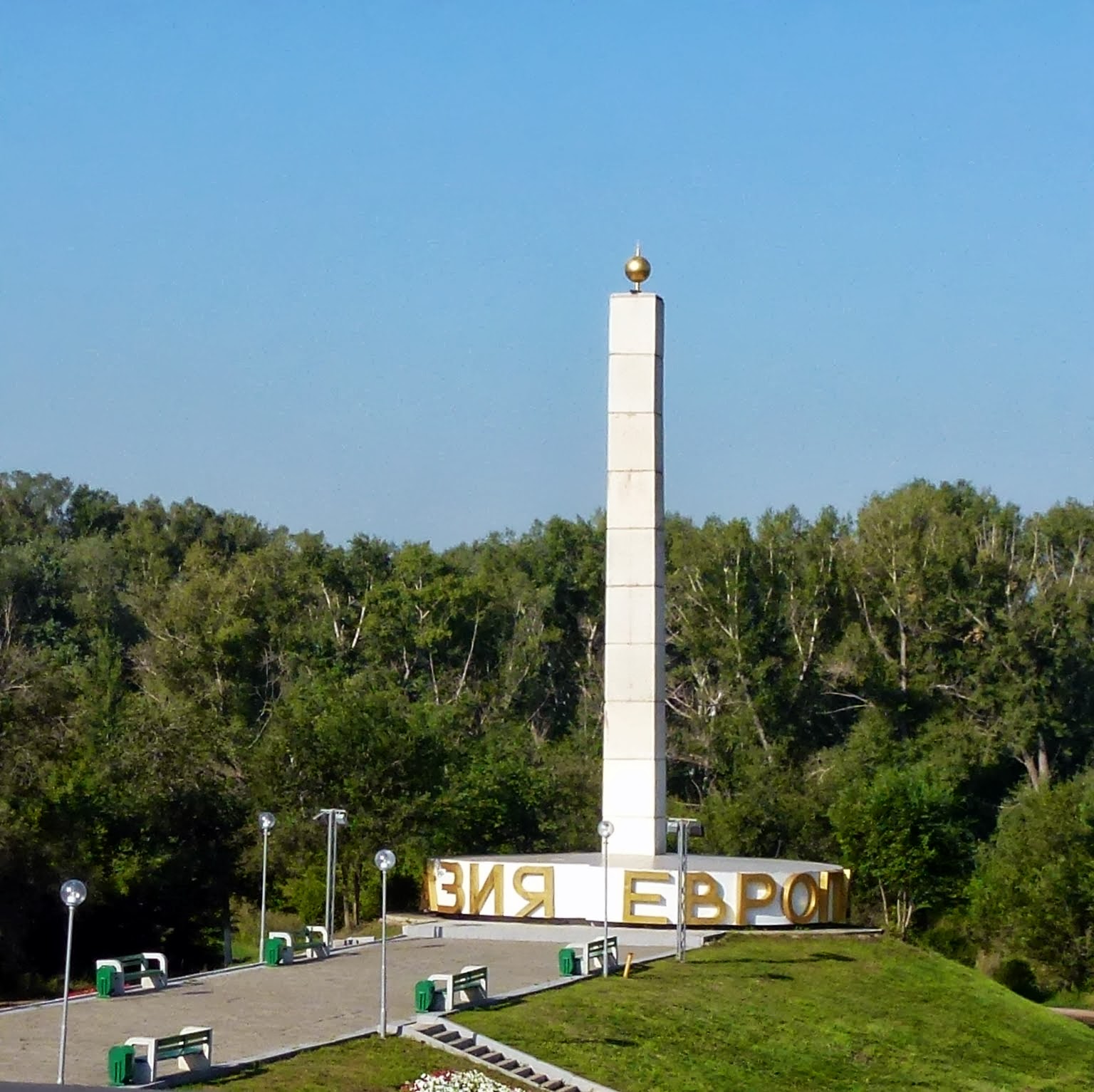
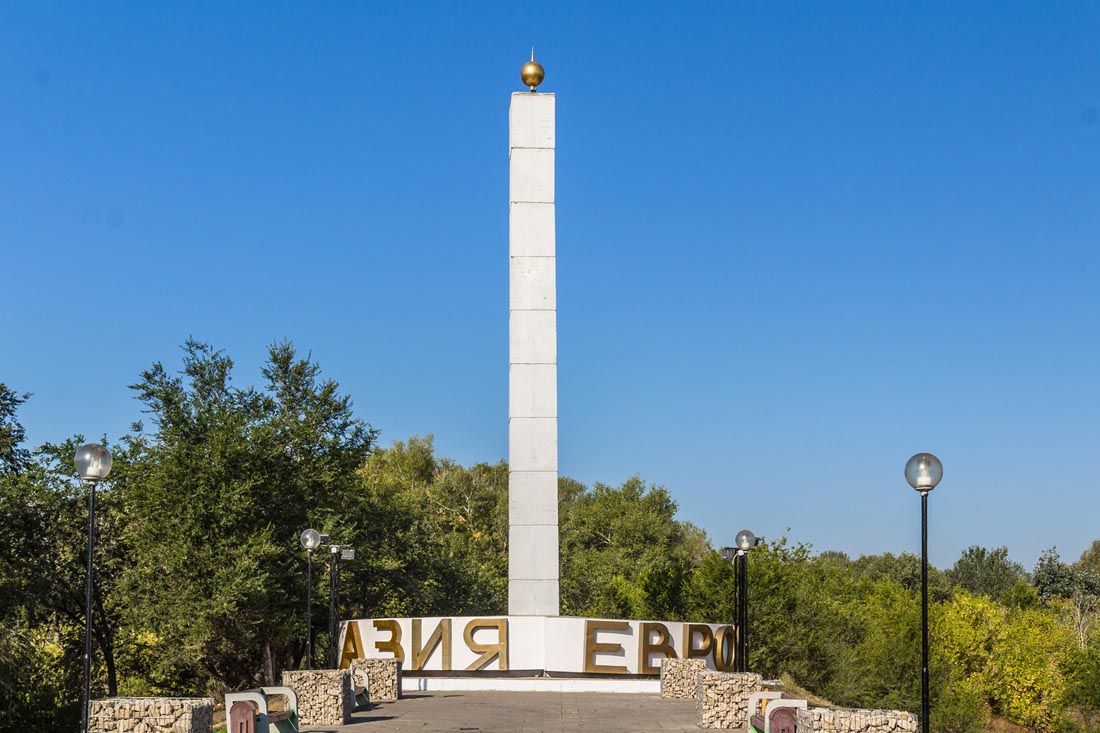
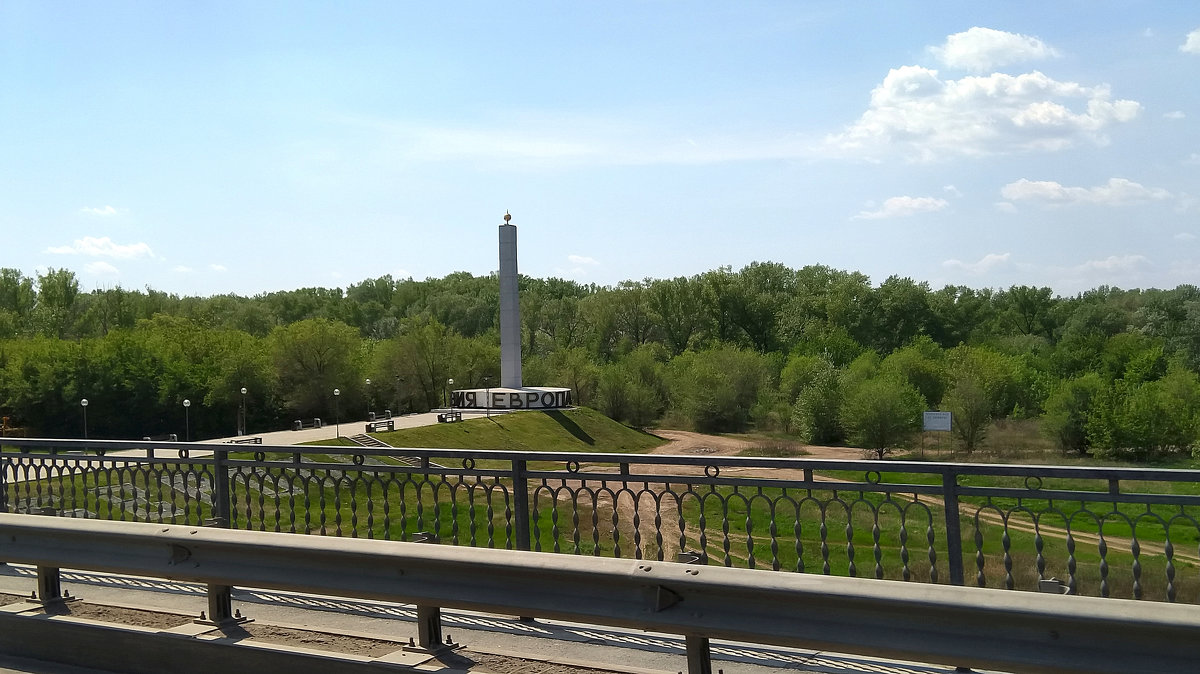
In Russia, the first sign marking the border between Europe and Asia is located on the left bank of the Ural River in the city of Orenburg. The obelisk is a grandiose square column about 15 meters high, mounted on a pedestal and topped with a ball of stainless alloy, which symbolizes the Earth. Borders are written on different sides of the monument.
The obelisk was installed in 1981 by architect G.I. Naumkin. The stele "Europe-Asia" is clearly visible from the road. The area around the monument is landscaped with flower beds, lanterns, benches and an observation deck located before the descent to the obelisk.
Today, this is just a symbolic sign, as well as a kind of respect for cartographers of the 17th century. Since the 17th century, most researchers have considered the Ural River to be the border separating Europe and Asia. With the foundation of Orenburg and Orenburg province, the Urals became a border river. This boundary was established by V.N. Tatishchev in 1736, and his opinion has long been considered the truth. Later, a boundary was established that was geographically more precisely justified. But the Ural Ridge and the Ural River remained the traditional Russian landmark of the border.
The coat of arms of the Orenburg region features a Greek-Russian cross and a crescent moon, indicating that Orenburg region is located on the border of Europe and Asia and that Orthodox Russians and Muslim Bashkirs, Tatars, and Kazakhs live nearby.
Read completely