 November 14th
Novosergievka, Krasnopartizanskaya, 43
-
Cost
200 ₽
-
Date
14.11
- Buy a ticket
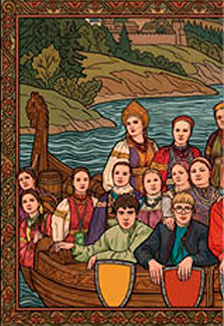
The Orenburg Region is home to more than 126 nationalities and ethnic groups, which underlines its multinational character and ethnocultural diversity. Russians, Bashkirs and Mordvins are the most numerous, but Tatars, Kazakhs, Ukrainians, Chuvash, Armenians, Germans and other peoples are also widely represented. Such diversity creates an atmosphere of interpenetration of traditions and strengthens interethnic dialogue.
An interactive ethno-game has been developed as part of the Year of Unity of the Peoples of Russia and in order to promote the cultural heritage of the region. It will not only acquaint the participants with the peculiarities of the life of the largest ethnic groups of Orenburg region, but also help them to form a deep respect for the history and culture of the peoples of Russia as a whole.
The game is built as a journey through three themed stations. At each of them, participants will have to complete a set of tasks. The stations are dedicated to key aspects of traditional culture:
1. "Folklore code"
The participants will get acquainted with the diversity of musical culture of the Orenburg region peoples. They will receive cards with the beginning of a folk song (in Russian or with a translation), where they will need to remember and sing the next line or verse, answer the questions "Truth or myth?", and make a musical collage.
2. "Patterns that speak without words"
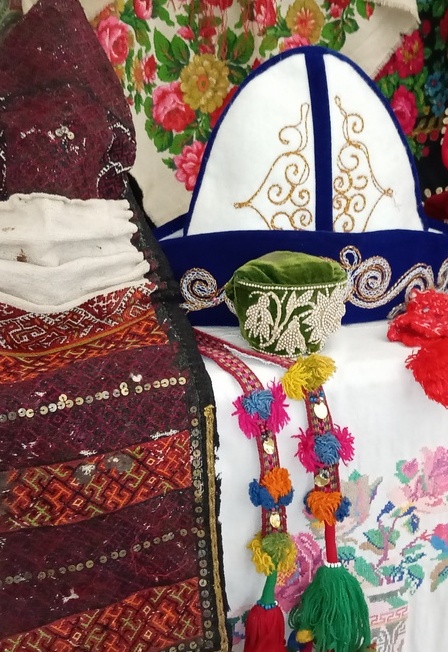
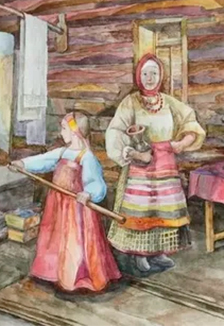
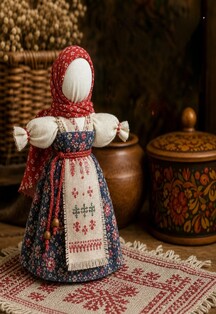
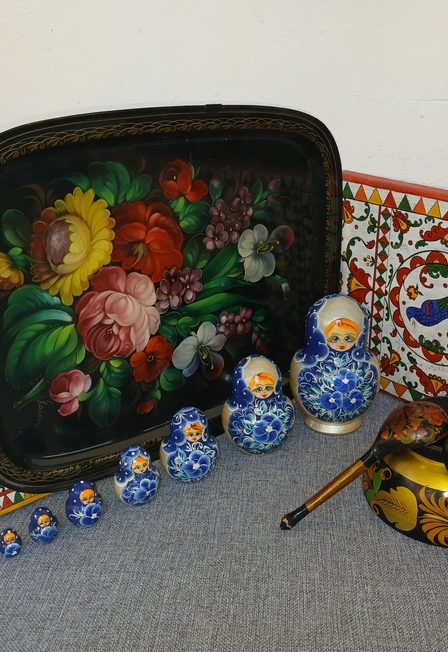
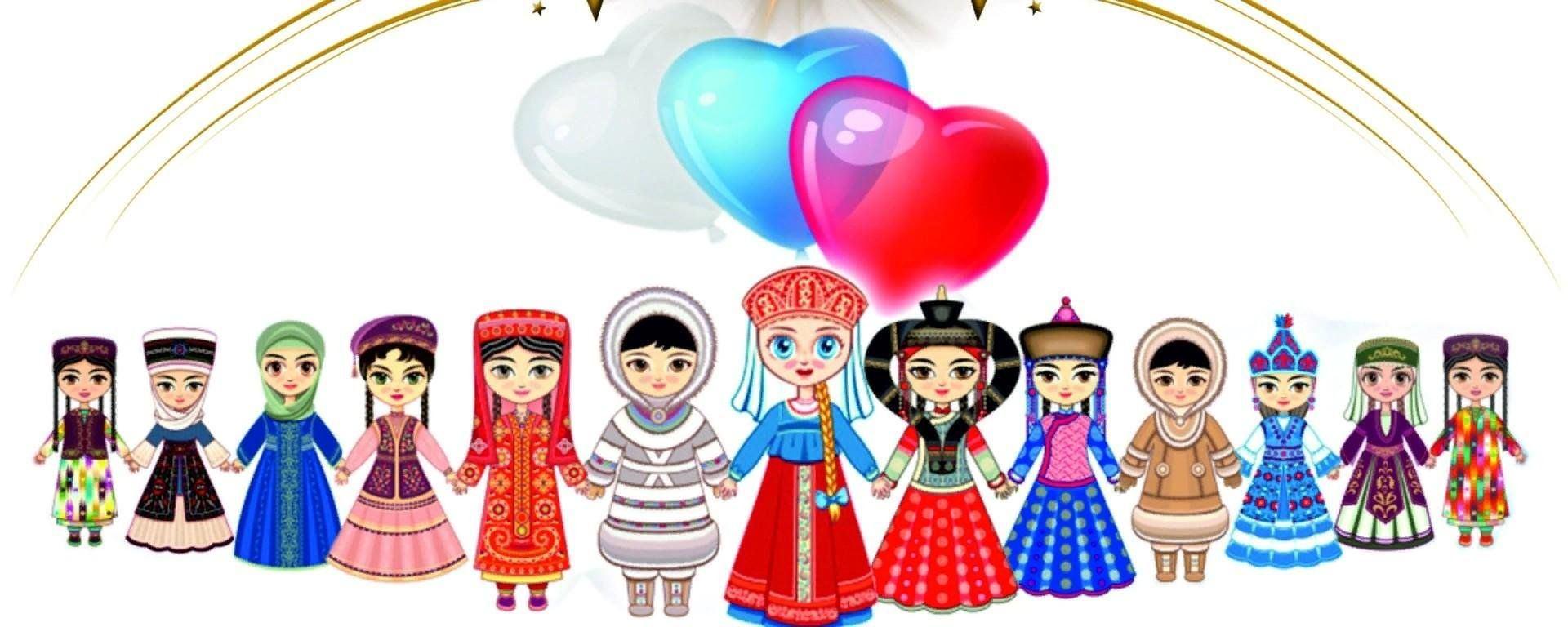
This station will reveal the symbols of ornaments, colors and cut of traditional clothes of different nations. Participants will be offered to assemble an interactive "puzzle" of costume elements, explain the meaning of the patterns, and correlate the description of clothing with a specific ethnic group.
3. "Traditions in action"
The emphasis here is on the iconic rituals of calendar holidays and household traditions. The tasks are aimed at understanding the deeper meanings of rituals: decipher the symbolism of actions, restore the sequence of stages of the holiday, compare the custom with its function in traditional culture.
Participants will discover the culture of the peoples living nearby, improve logic and teamwork, learn to think creatively – and most importantly, feel personally involved in their rich heritage.
For questions about the organization of the event: 8-35339-2-16-86.
Read completely
A source: Culture.RF
On the map
Interesting events