 November 21
Buzuluk, Galaktionova, 47
-
Cost
155–260 ₽
-
Date
21.11
- Buy a ticket
What distinguished Chatsky, whose speech was "full of sharpness and bile," or Prince Bolkonsky, whose arguments at Anna Pavlovna Scherer's parties were captivating with their clarity? What is the secret of the charm of Pushkin's Onegin, who possessed the "science of tender passion," and the power of persuasion of Turgenev's heroines? All these are the pinnacles of the art of literature, fine communication and intellectual fencing, which formed the basis of the secular culture of the XVIII and XIX centuries.
The participants of the event, as actors of a classical drama, will analyze the basics of communication using the example of dialogues of literary characters to learn how to manage emotions, listen and hear.
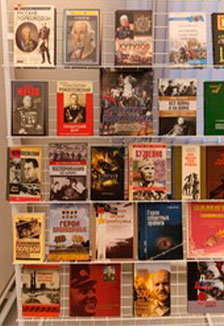
During the event, there will be a book exhibition with classical texts and collections on rhetoric and stage speech; those who wish will be able to familiarize themselves with the publications and receive reading recommendations.
Through interactive forms of interaction, the power of the Russian language and the beauty of literate speech will be revealed. Those present will gain literary literacy, critical thinking and aesthetic taste – qualities important for a successful and culturally aware personality.
A source: Culture.RF
On the map
Interesting events



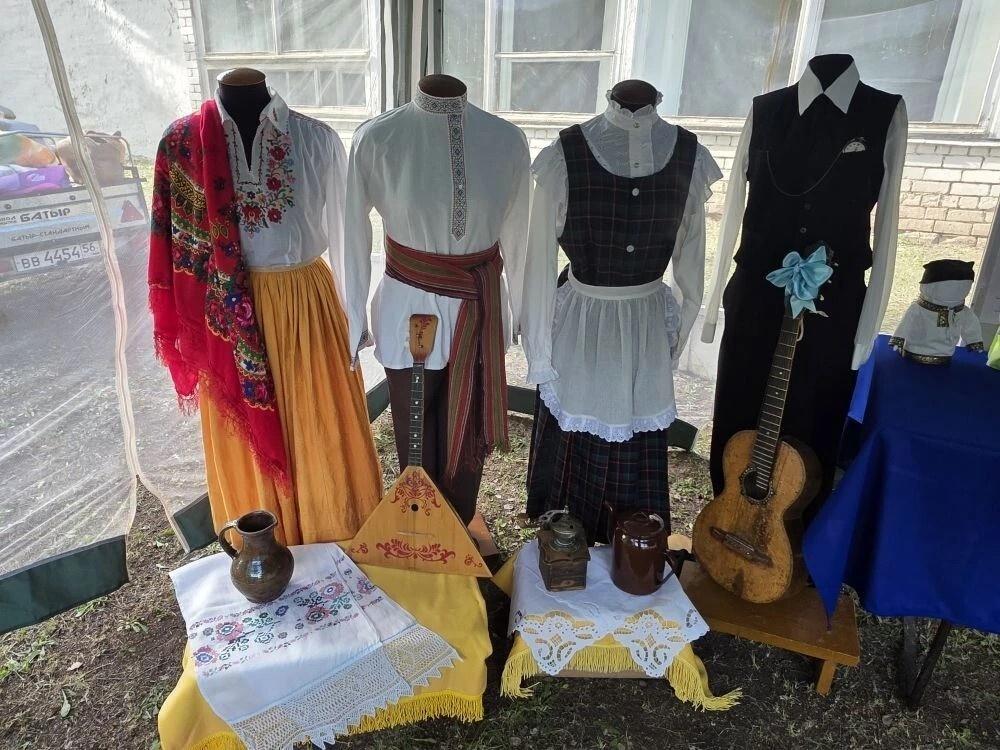
Творческая встреча «Культурная суббота. Национальный костюм: нить, связывающая поколения»
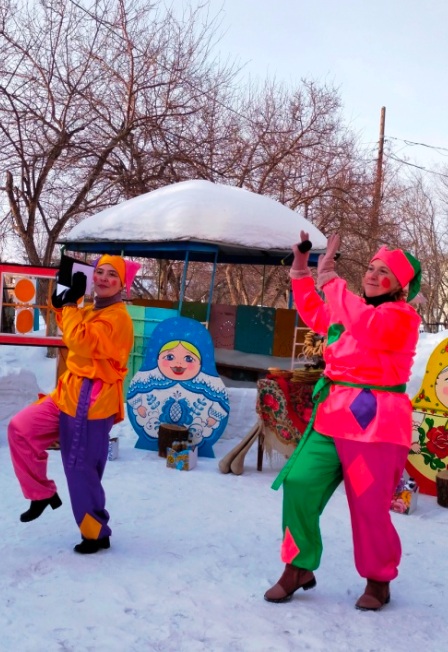
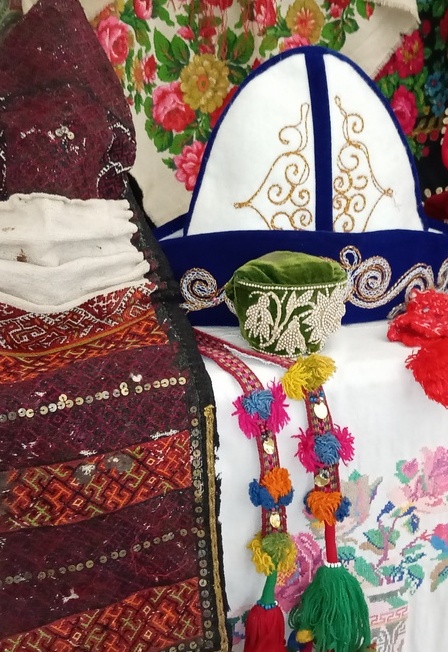
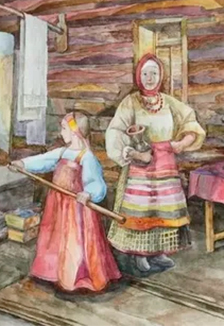
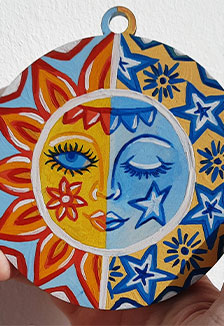
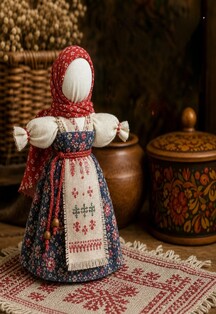
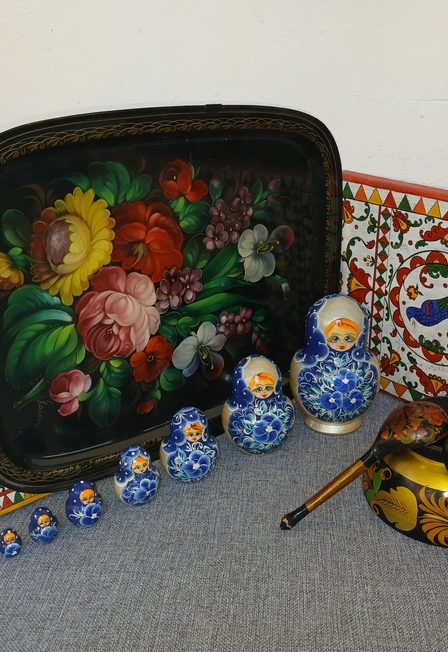
В рамках Всероссийской акции «Культурная суббота. Национальный костюм: нить, связывающая поколения» Подольский историко-краеведческий музей приглашает школьников на творческую встречу. Участники познакомятся с традициями народного костюма и распишут деревянную матрешку, создав собственное произведение декоративно-прикладного искусства. Мероприятие посвящено Году единства народов России и проводится в поддержку Всероссийской акции «Культурная суббота. Национальный костюм: нить, связывающая поколения» . Матрешка – один из самых узнаваемых символов русской культуры, а ее роспись традиционно включает элементы народного костюма: платок, сарафан, передник. В ходе занятия участники узнают, как через орнамент и цвет передавались традиции разных губерний, и попробуют себя в роли художника-миниатюриста.