 November 16th
Matveevka, Komsomolskaya, 26
-
Cost
100 ₽
-
Date
16.11
- Buy a ticket
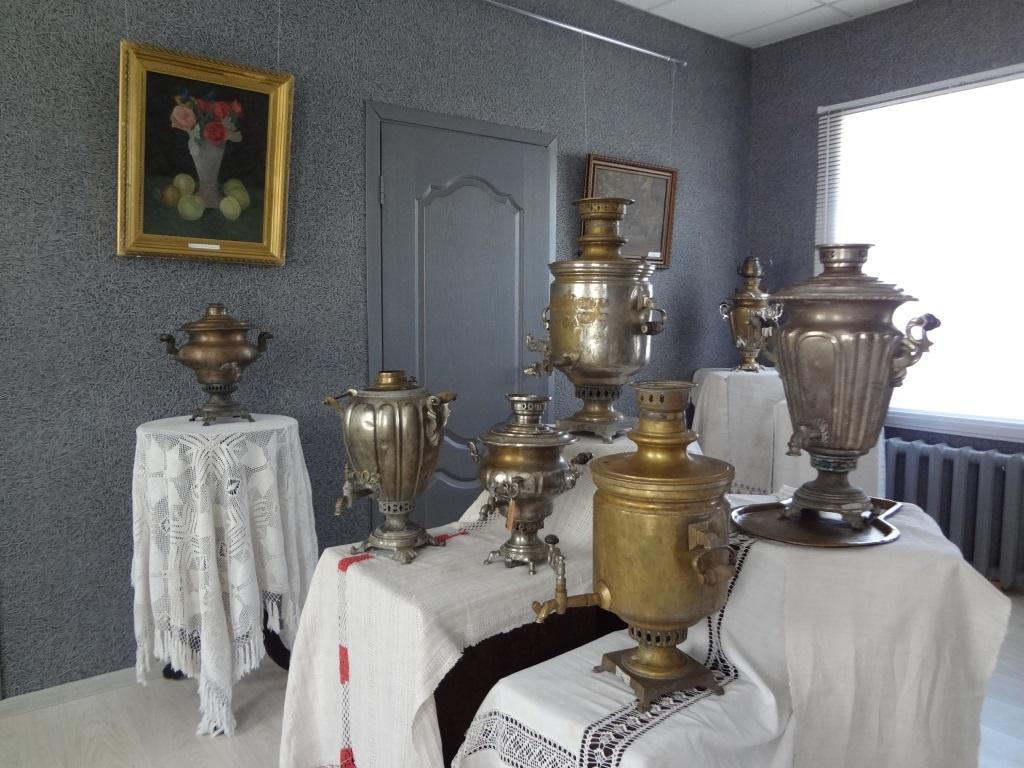
There are more than 30 samovars of the XVIII–XX centuries in the collection of the Matveevsky Museum. Samovars are different in shape, made of different materials. Many samovars have factory markings and award impressions.
The samovar is a native Russian invention, appreciated all over the world. He was a close friend of the owners. The miracle of the samovar was that, coming in from the bitter cold, at any time you could drink delicious, hot tea. The water in the samovar was boiling, and the embers from the kindling crackled in the furnace, creating an atmosphere of warmth and comfort. Guests could drink from 5 to 20 cups of a fragrant drink, but sometimes they were not limited to this either. Do you know how the ancestors drank tea?
After attending the event, the guests will get acquainted with the collection of samovars, learn, how the samovar is arranged, what types of samovars there were, what it was heated with, what herbs were used to make fragrant tea, as well as about the amazing ways of drinking tea – side by side, after, after, and not only.
The event is held by appointment: +7 (35356) 2-11-30.
A source: Culture.RF
On the map
Interesting events



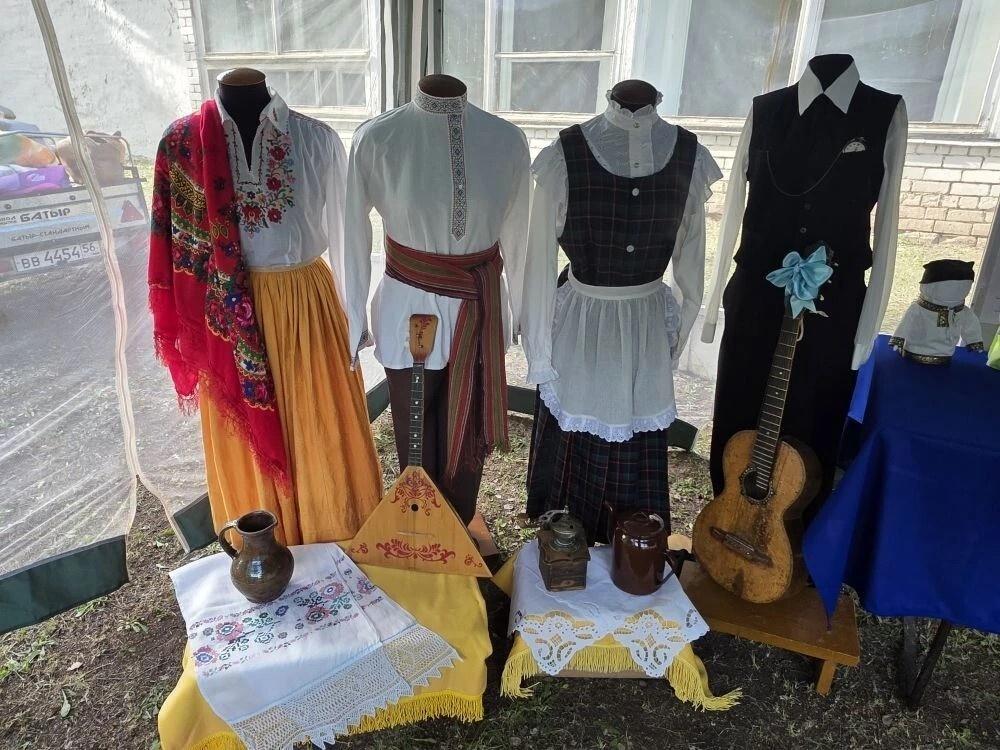
Творческая встреча «Культурная суббота. Национальный костюм: нить, связывающая поколения»
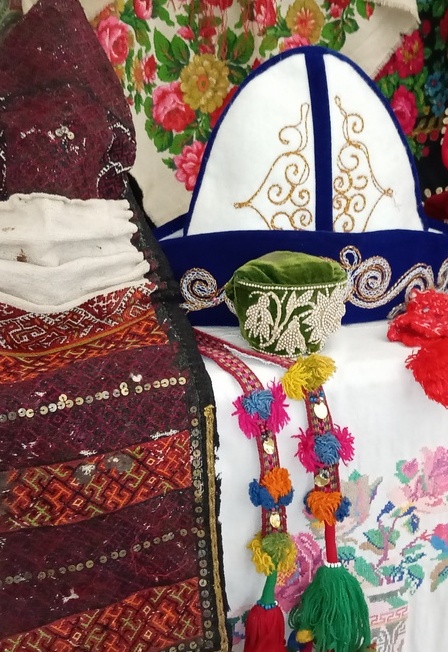
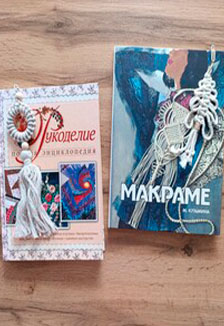
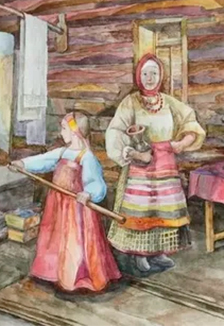
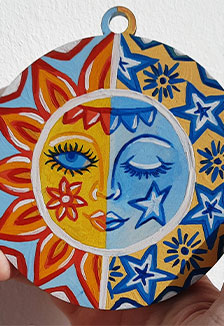
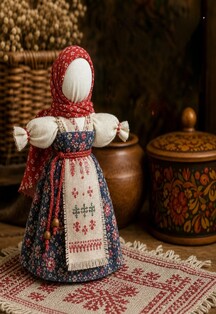
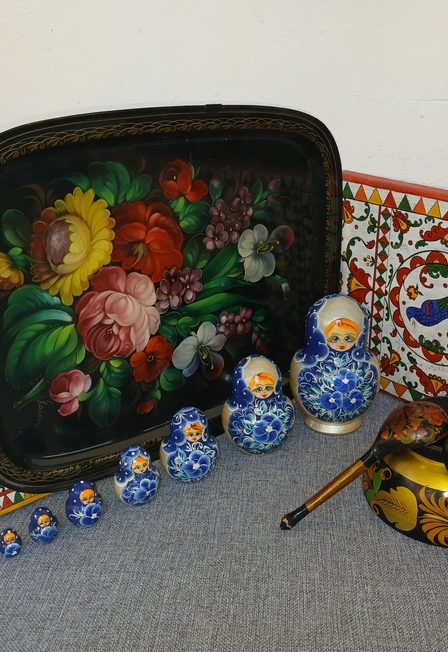
В рамках Всероссийской акции «Культурная суббота. Национальный костюм: нить, связывающая поколения» Подольский историко-краеведческий музей приглашает школьников на творческую встречу. Участники познакомятся с традициями народного костюма и распишут деревянную матрешку, создав собственное произведение декоративно-прикладного искусства. Мероприятие посвящено Году единства народов России и проводится в поддержку Всероссийской акции «Культурная суббота. Национальный костюм: нить, связывающая поколения» . Матрешка – один из самых узнаваемых символов русской культуры, а ее роспись традиционно включает элементы народного костюма: платок, сарафан, передник. В ходе занятия участники узнают, как через орнамент и цвет передавались традиции разных губерний, и попробуют себя в роли художника-миниатюриста.