 November 16th
Sol-Iletsk, Orskaya, 99
-
Cost
300 ₽
-
Date
16.11
- Buy a ticket
Modern pencils are about 200 years old. "Pencil" itself means "black stone" in the Turkic language. Why? It consists of a thin graphite rod and a wooden tube, which is needed so that the graphite stone does not break, hands do not get dirty, and the pencil is comfortable to hold. The great-great-grandfather of the pencil was a silver or lead stick.
In Russia, the first pencil production was organized by F. M. Lomonosov in the Arkhangelsk province. Alder and linden were used to produce the wooden shell. A master class on creating a color painting was prepared by Olga Alexandrovna Kucheryavaya. Using colored pencils, you can depict both animals, birds, and inanimate household items, plants, and nature.
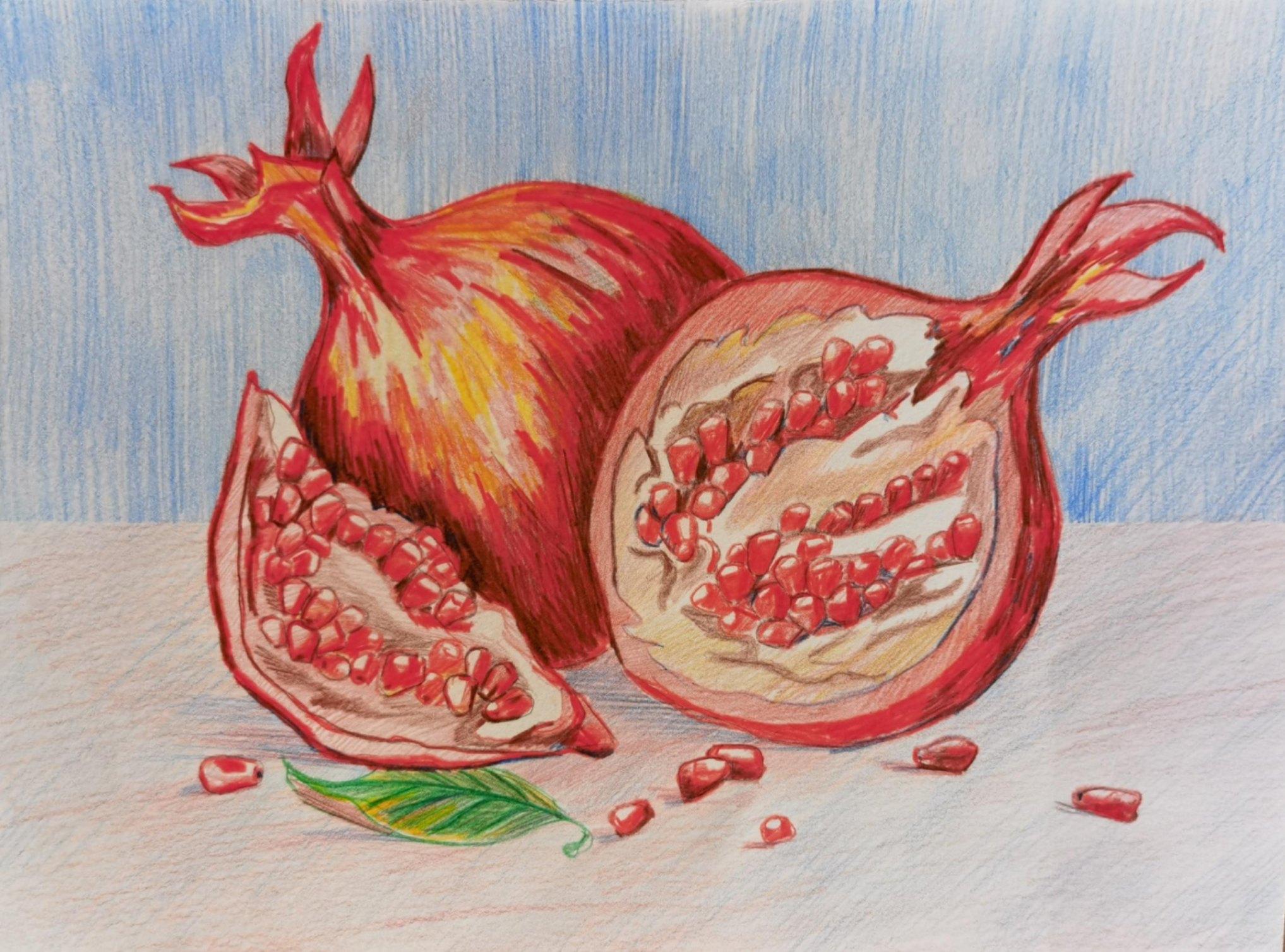
During the lesson, participants will be able to work with the technique of hatching with colored pencils, learn how to convey the realism of objects using solid materials for drawing. Participants will work on cardboard with colored pencils, creating smooth transitions and light shadows.
This master class is designed for those who want to learn how to draw beautiful, juicy pomegranates using colored pencils. The work is done on cardboard, which gives the drawing density and makes it easy to apply layers of color.
A source: Culture.RF
On the map
Interesting events
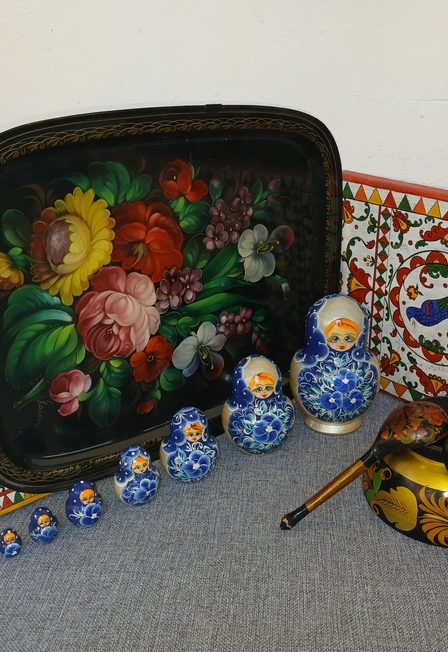
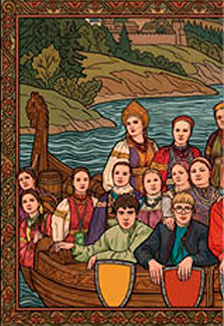
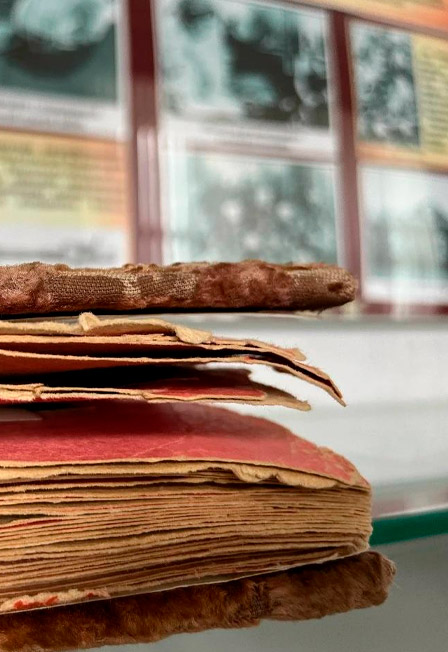
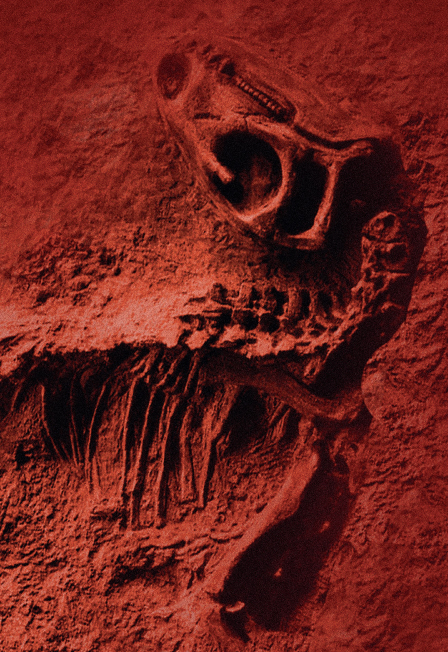


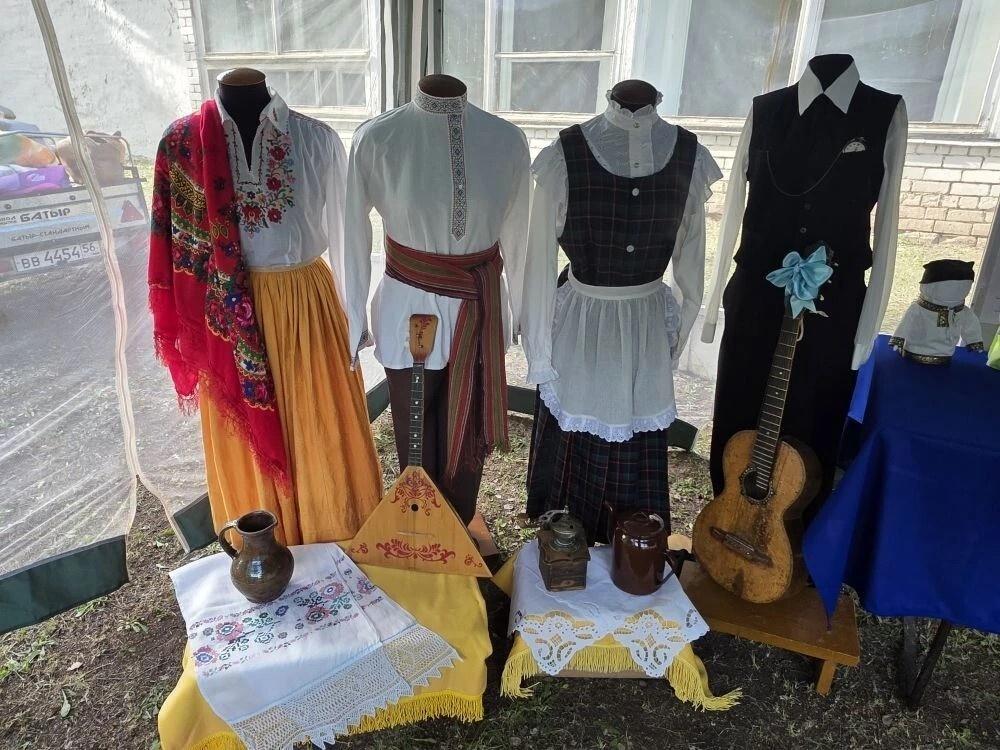
Творческая встреча «Культурная суббота. Национальный костюм: нить, связывающая поколения»
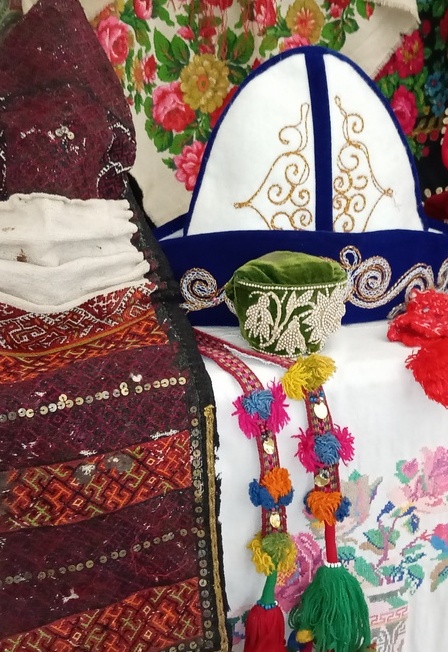
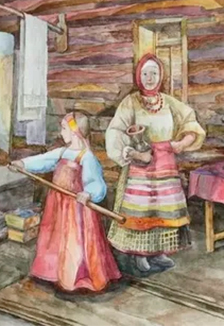
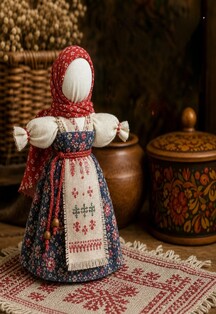
В рамках Всероссийской акции «Культурная суббота. Национальный костюм: нить, связывающая поколения» Подольский историко-краеведческий музей приглашает школьников на творческую встречу. Участники познакомятся с традициями народного костюма и распишут деревянную матрешку, создав собственное произведение декоративно-прикладного искусства. Мероприятие посвящено Году единства народов России и проводится в поддержку Всероссийской акции «Культурная суббота. Национальный костюм: нить, связывающая поколения» . Матрешка – один из самых узнаваемых символов русской культуры, а ее роспись традиционно включает элементы народного костюма: платок, сарафан, передник. В ходе занятия участники узнают, как через орнамент и цвет передавались традиции разных губерний, и попробуют себя в роли художника-миниатюриста.