November 21
Sol-Iletsk, Zwilling, 18
-
Cost
75–150 ₽
-
Date
21.11
- Buy a ticket
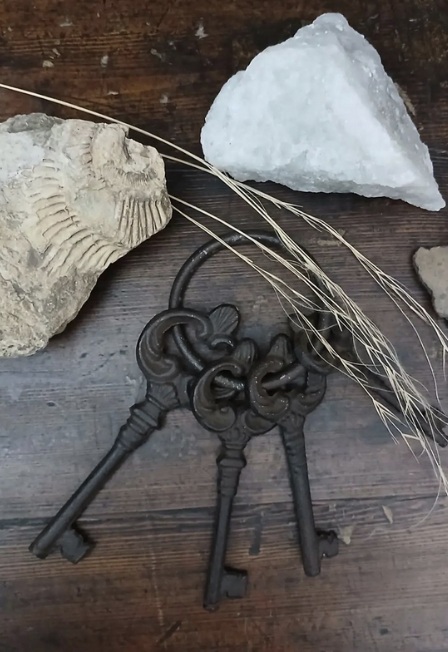
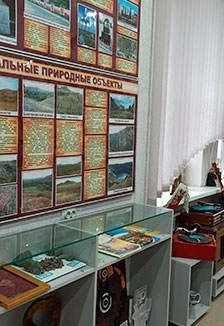
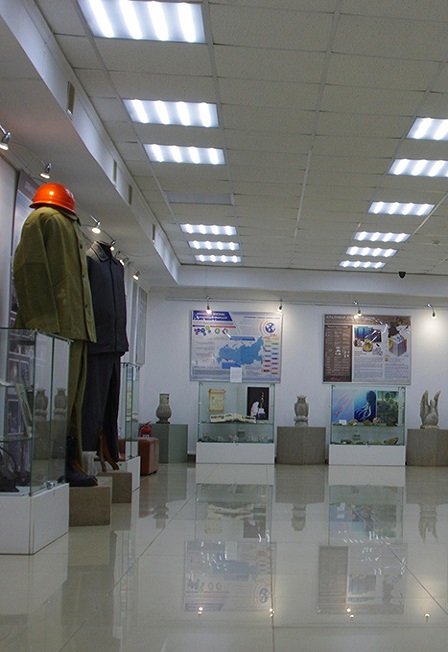
The museum is located in the historical part of the city. The entire history of the Sol-Iletsk Municipal District from ancient times to the present is presented in four exhibition halls and a large exhibition hall of the Museum of Local lore.
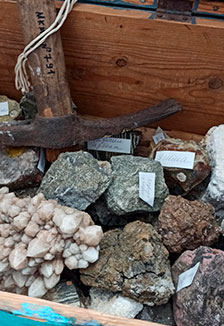
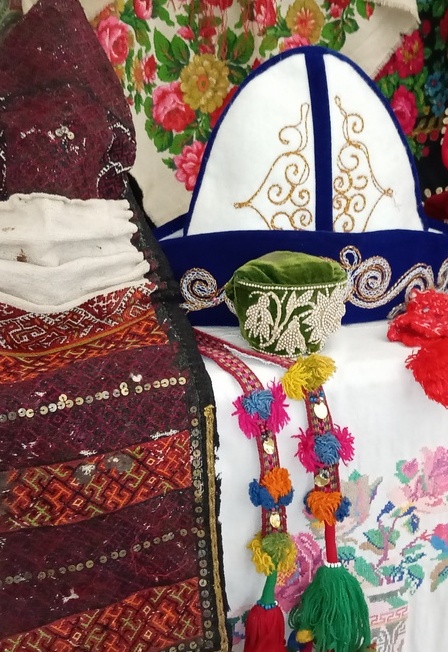
The exhibition presents sections of paleontology, archeology, the history of the formation of the city of Sol-Iletsk and the settlement of the district. Visitors will learn about the appearance of the Razval salt lake, the development of trade, the peculiarities of the way of life and culture of the peoples and classes living in the district, and the visit of the emperor and heir to the Russian throne to the Iletsk Protection. A large section of the exhibition is devoted to the life of Sol-Ilechan during the Great Patriotic War and the Soviet period. In addition, you can get acquainted with the history of the development of the salt industry by visiting the reconstruction of a 19th-century salt mine.
Visiting the museum, one can understand why a small fortress on the outskirts of the Russian Empire was developing so rapidly economically and why by the beginning of the 21st century Sol-Iletsk was known far beyond the borders of Orenburg region.
The entrance ticket does not include tour service.
A source: Culture.RF
On the map
Interesting events
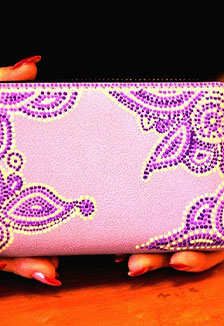
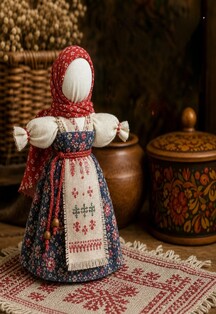

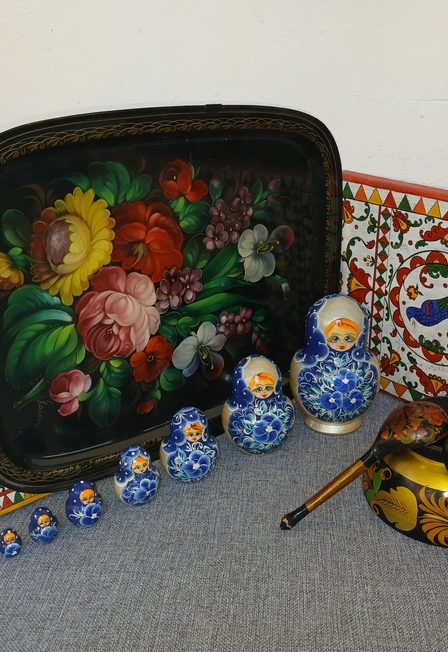


Творческая встреча «Культурная суббота. Национальный костюм: нить, связывающая поколения»
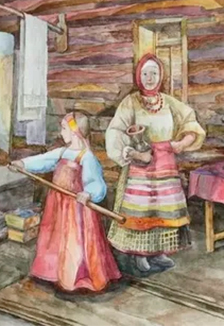
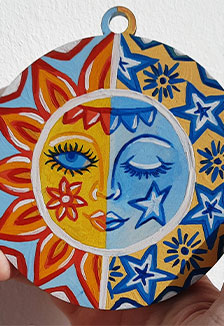
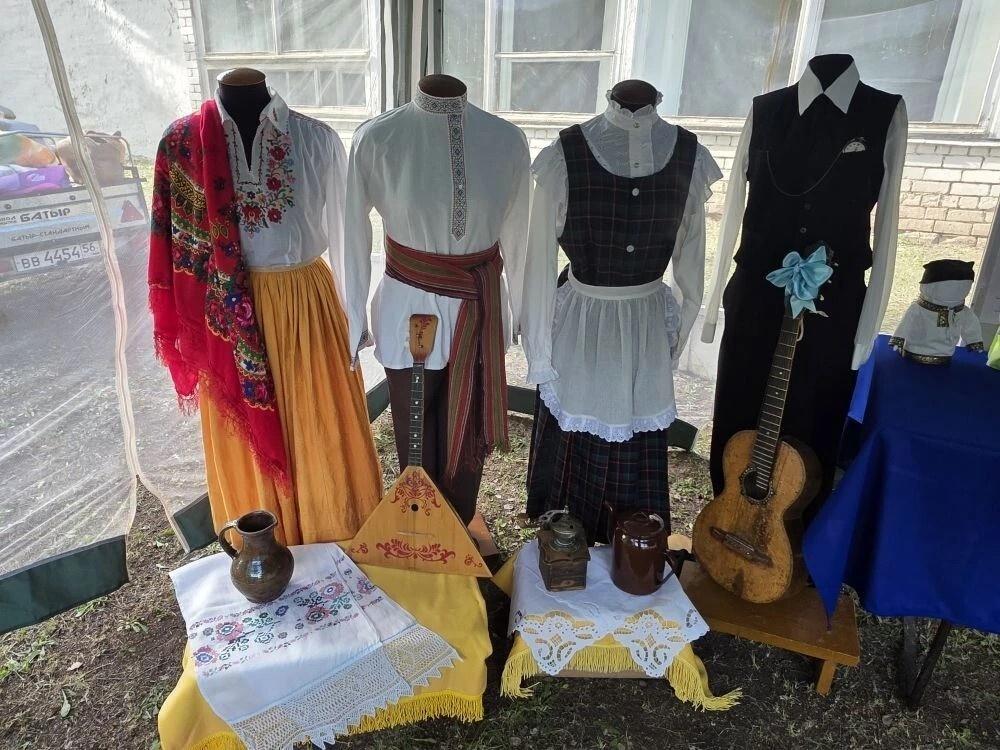
В рамках Всероссийской акции «Культурная суббота. Национальный костюм: нить, связывающая поколения» Подольский историко-краеведческий музей приглашает школьников на творческую встречу. Участники познакомятся с традициями народного костюма и распишут деревянную матрешку, создав собственное произведение декоративно-прикладного искусства. Мероприятие посвящено Году единства народов России и проводится в поддержку Всероссийской акции «Культурная суббота. Национальный костюм: нить, связывающая поколения» . Матрешка – один из самых узнаваемых символов русской культуры, а ее роспись традиционно включает элементы народного костюма: платок, сарафан, передник. В ходе занятия участники узнают, как через орнамент и цвет передавались традиции разных губерний, и попробуют себя в роли художника-миниатюриста.