
- Orenburg gas for the benefit of the region
-
 Information about the tour
-
 1. The Chaika Pedestrian Bridge
-
2. DKiS Gazovik
-
 3. Residential areas
-
 4. Regional Hospital No. 1
-
 5. The Table tennis Center in Russia
-
 6. SKK "Orenburg region"
-
 7. Victory Square
The discovery of natural gas near Orenburg has dramatically changed the life of the regional center and the region as a whole. Specialists from all over the USSR came to the All-Union Komsomolsk construction site. To provide them with housing, the private sector gave way to multi-storey construction. The city grew both taller and wider. Dozens of kilometers of highways and transport interchanges were under construction, and large-scale upgrades affected water and energy supply networks. Numerous social and cultural facilities were built for the comfortable life of indigenous and newly minted Orenburg residents. With the support of Orenburggazprom, 18 schools, 36 kindergartens, several hospitals, polyclinics, and sports complexes were commissioned in the regional center. Despite the growing pace of housing construction, almost a third of Orenburg residents still live in houses built by a large family of gas producers at the end of the last century. Let's take a look at some of the facilities that owe their appearance to Orenburg gas.
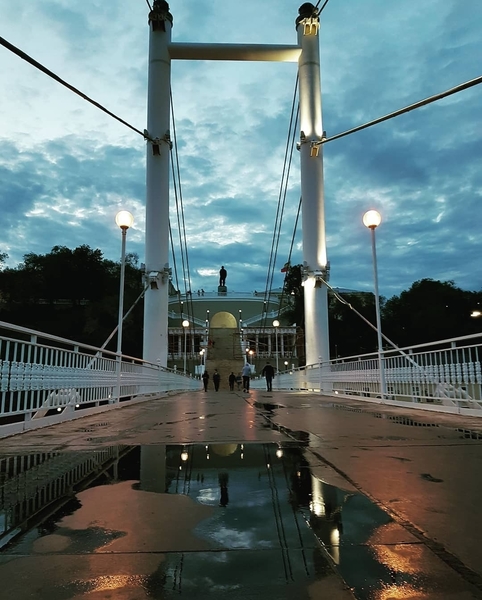
Today it is difficult to imagine Orenburg without one of its business cards – a snow-white pedestrian bridge over the Ural River. Until 1982, it was wooden. In the fall, it was dismantled, and in the spring, after high water, piles were driven in again and a new flooring was assembled. Every year, this procedure cost about 50,000 pre-perestroika rubles. So, during the off–season, it was possible to get from the European to the Asian part of the city and vice versa only by detour - by using a road bridge or, depending on the season, by boat or on ice along the river. Vladimir Dahl, an official of special assignments, writer and collector of the Explanatory Dictionary of the Living Great Russian Language, who worked in Orenburg from 1833 to 1841, also wrote about the need for a permanent pedestrian bridge. But it was possible to realize this idea more than a century later thanks to the support of Orenburggazprom.
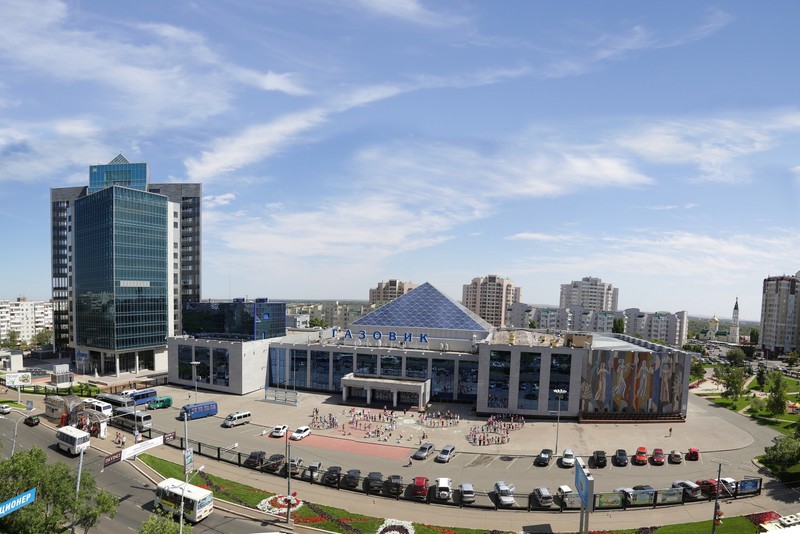
In 1983, the Druzhba Palace of Culture opened its doors, later renamed Gazovik. "Note that the Palace is not just an ordinary House of Culture or, even more modestly, a club," the Soviet experts emphasized. Residents and guests of Orenburg at that time admired not only the size, but also the architectural design of the building, first of all, a huge mosaic panel. In addition to the usual facilities for this type of building, the project included a separate lecture cinema and dance hall, a museum, two swimming pools, a double gym for basketball and volleyball, arenas for wrestlers and tennis players, and a cafe. Today, the Palace has 9 creative teams, five of which have the honorary title of "people's", one studio for vocal solo skills, an art school, and sports schools that raise future champions in judo, swimming, and chess. In 2007, in preparation for the celebration of the 40th anniversary, Gazprom Dobycha Orenburg carried out a large-scale reconstruction and modernization of the Palace under the Gazprom for Children program. It touched many rooms. But the most noticeable change to the naked eye was the conversion of the courtyard into a winter garden, which now houses hundreds of plants, including exotic ones. In honor of its 50th anniversary, Gazprom Dobycha Orenburg transformed the Gazovik Palace again. The interior of the Palace has changed beyond recognition. The central foyer has become more spacious after renovation. Fans of cultural recreation appreciated the changes in the large concert hall. Thanks to the modern equipment, concerts and performances began to sound in a new way.
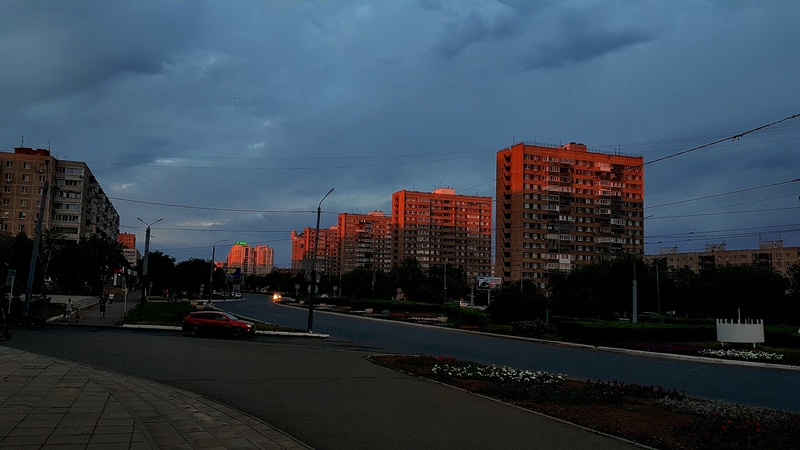
With the beginning of the development of Orenburg gas, the architectural appearance of the central part of Orenburg, bounded by Turkestanskaya, Chkalov, Vystavochnaya (now Marshal Zhukov) streets and May Passage, changed especially rapidly. High-rise buildings grew in place of the private sector. New neighborhoods appeared on the city map. The scale of the construction work is evidenced by the fact that up to 30 organizations from different ministries and departments were involved in the design of housing, roads and other communications alone. The employees of Orenburggazprom also took an active part in the construction of the housing stock. The newspaper Za Orenburgsky Gaz summed up the results of the Red Saturday in 1976: "The participants of the clean-up day unloaded 17 wagons with pipes and construction materials, produced 40 square meters of brickwork, and laid 100 tons of pipes." The chain of 16-storey buildings on the odd side of Chkalov Street still attracts attention.
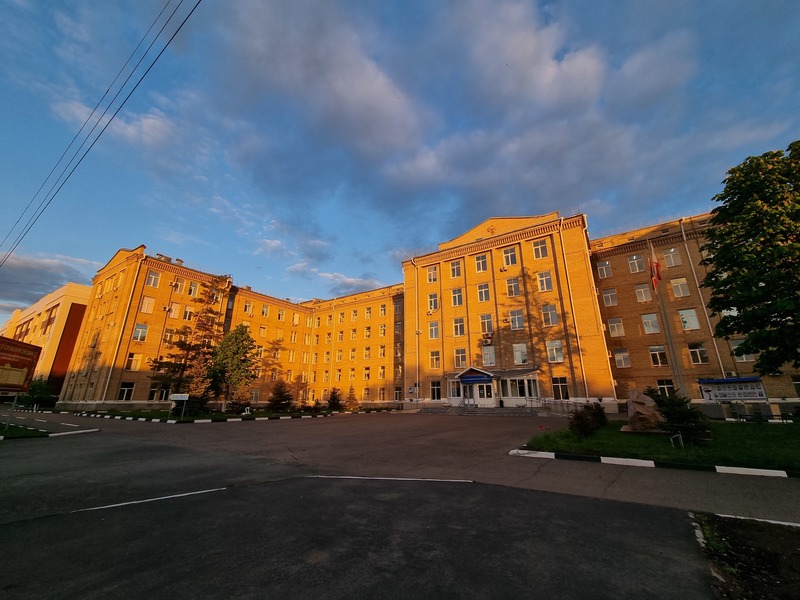
Throughout the company's history, gas producers have attached particular importance to maintaining the health of employees, their loved ones, and residents of the region as a whole. With the participation of Orenburggazprom, another life began at the regional clinical hospital, which is located on Aksakov Street. The old buildings were reconstructed and new ones were built. Vasily Voynov, who headed the medical institution from 1960 to 2007, recalled that period: "It didn't take long to ask Gazprom to take part in the construction of the hospital. The main thing that remains in our memory from the time of the hospital's second birth and what we owe to the development of the Orenburg gas is the excavation pits from which our new floors grew, and the energy of work plans and the atmosphere of creation that were unusual for us, doctors." The polyclinic and therapeutic buildings, and the rehabilitation treatment building are still operating.
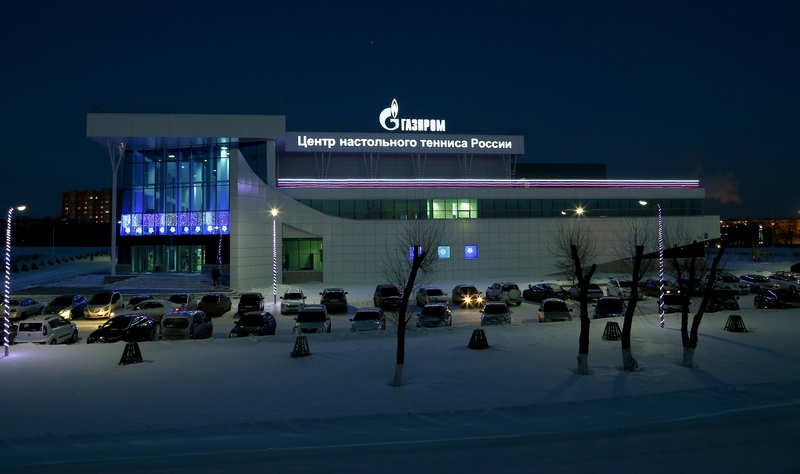
In the spring of 2013, the Russian Table Tennis Center, built under the Gazprom for Children program, was officially opened. The total area of the sports complex is about 5,000 square meters. It includes large and small game halls, a rehabilitation center, gym and conference rooms, as well as a catering center. Up to 1,000 people, including people with disabilities, can train there every day. The auditorium can accommodate up to 900 fans who, in pre-coronavirus times, could watch tournaments of national and international level.
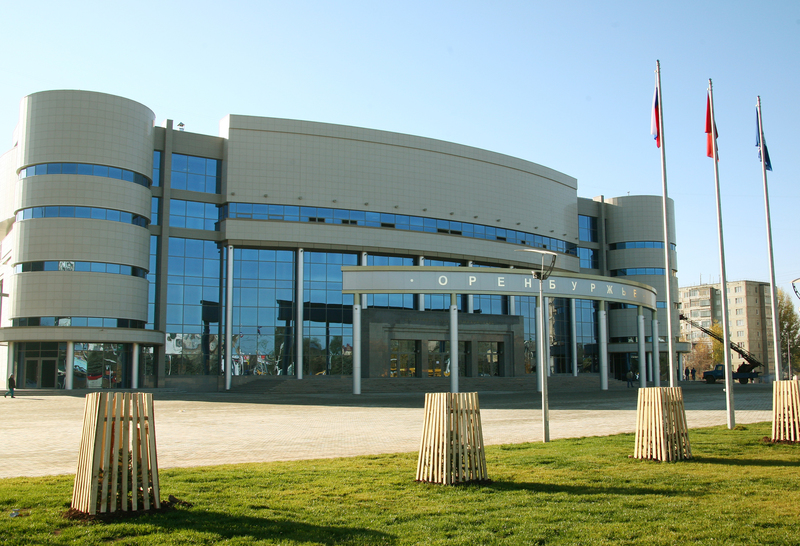
In the autumn of 2007, the Orenburg Sports and cultural complex was inaugurated. Its construction was dubbed the national construction site, as most of the funds came from extra-budgetary sources. The contribution of Orenburggazprom amounted to 210 million rubles. Just half a month after the opening, Orenburg Region hosted the participants of the V International Judo Tournament Eurasia–2007 for the prizes of the former head of Orenburggazprom, Hero of Socialist Labor Yuri Vysheslavtsev. And in 2008, the arena of the sports and cultural complex became the venue for the official opening ceremony of the zonal round of the III Corporate Festival of Amateur Creative Teams and Performers of Gazprom Fakel. Representatives of 16 delegations of the company's subsidiaries from Tatarstan, Krasnodar, Bashkortostan, Saratov, Astrakhan, Volgograd and other regions came to Orenburg. The Orenburg Region Sports and Cultural Complex hosts participants of tournaments in various sports at the All-Russian and European levels, as well as participants of the East–West International Film Festival. In 2011, the premiere of the opera "The Queen" took place in the sports and cultural complex. The libretto for it was written by Yuri Ryashentsev, who was evacuated to Orenburg as a child in 1941, where he survived the entire Great Patriotic War.
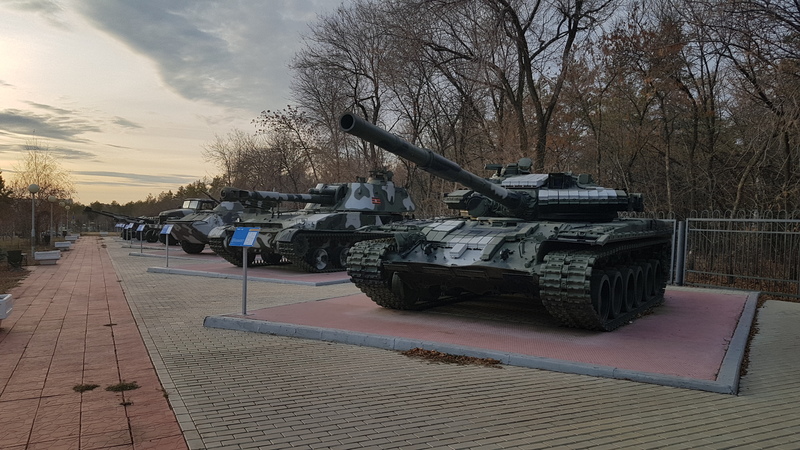
Victory Square was opened in 2016 in the Rostoshi neighborhood. It was created as a reminder of the great feat of the Soviet people. A museum of military equipment is located on the landscaped territory: a Su bomber, a Mi-24 helicopter, armored vehicles, howitzers and cannons, self-propelled artillery installations and Grad multiple launch rocket systems. There are 10 units in total. The complex opens with a stele and panels with portraits of veterans of Gazprom Dobycha Orenburg LLC. This museum helps patriotic education. Every year on May 9, it is visited by veterans of the Great Patriotic War who worked at the enterprise. Victory Square has repeatedly been part of the offline program of the Warmth of Children's Hearts festival, which gas producers have been holding among children from orphanages and boarding schools in Orenburg region, other regions of Russia and the Republic of Kazakhstan since 2006. The office for the maintenance of buildings and structures of the Gazprom Dobycha Orenburg Company "patronizes" Victory Square.