

Description
The ancient village of Pokrovka is located 95 kilometers northwest of Orenburg, on the road to Samara. At the end of the 19th century, the Cossack Zakhariy Prokopyevich Kartsev had an omen to go to Pokrovka and build a monastery there. In 1896, he settled near the village on Mount Monashka, dug a small cave with a cell there, built a spring under the mountain and lived for two years in strict fasting and prayer, imitating the ancient venerable fathers.
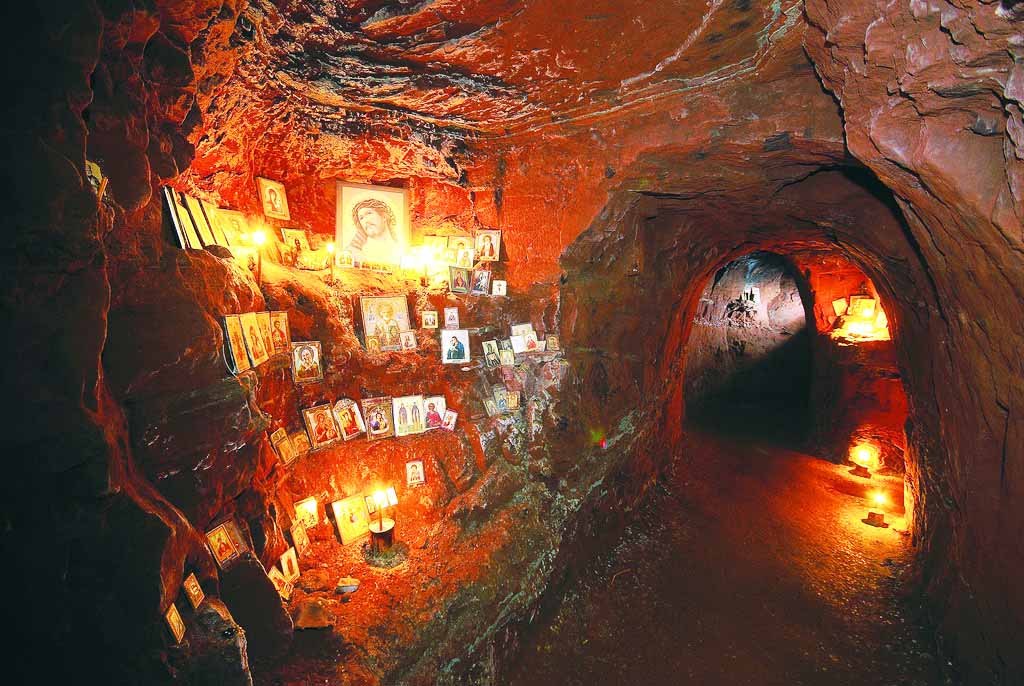
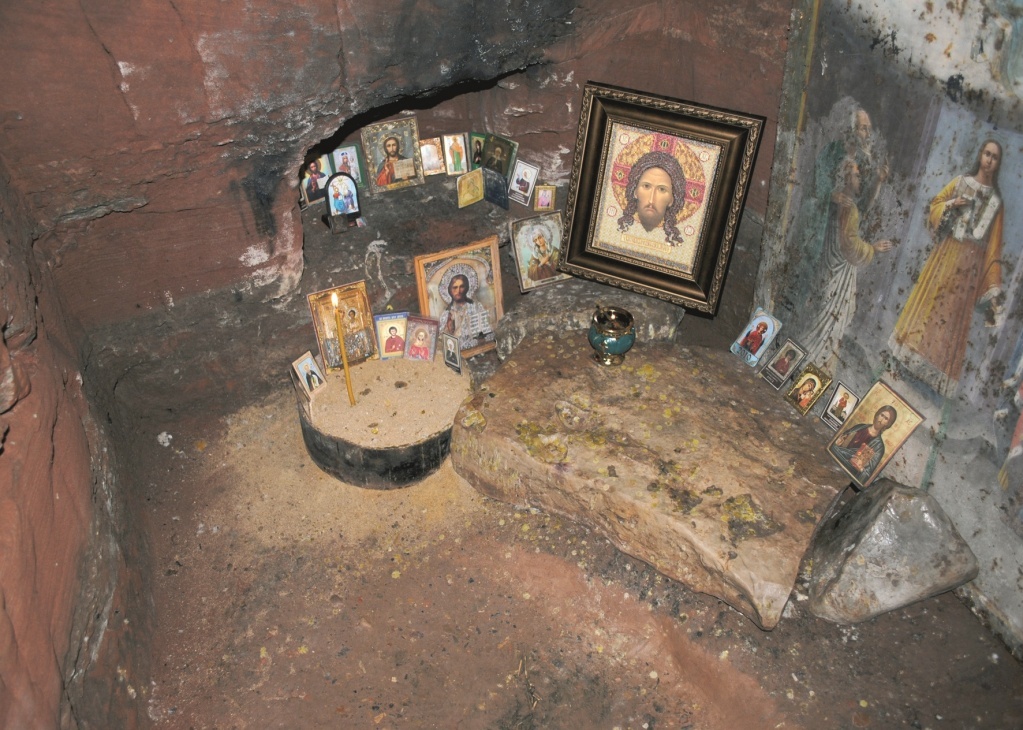
Seeing his faith and strong desire to serve the Lord, a community begins to form around Zachary, and brothers from local pious residents gather. The place on the Monastery mountain began to transform: the community members built a wooden house church, a fraternal building, a bell tower, a millet, a bakery, sowed their bread, planted an orchard, and set up an apiary. The main business of the brethren was the digging of caves like the Kiev Caves. Over time, the caves went deep into the mountain, forming branched passages connected by circular passages.
In 1909, by decree of the Holy Synod, the community was transformed into a skete. Soon, Zachary Prokopievich, who took the monastic name of Zosima, was appointed head of the hermitage (Hieromanach Palladius was temporarily in this position before him, as he was more experienced in monastic life). In 1911, the monks completed the construction of a stone church in the name of St. Nicholas the Wonderworker.
A shelter for boys was set up at the monastery, and a home for the disabled for crippled men was built. They prayed and worked hard in the tanneries and felting workshops. A brick factory was also established at the monastery. In 1916, 44 monks lived in the newly founded St. Nicholas Monastery "Holy Caves". The landscaped grounds looked like a Garden of Eden.
But troubled times have come. In 1919, Father Zosima was arrested by the Bolsheviks, accusing him of counterrevolutionary activities, but the massive intercession of the people from the surrounding villages led to the abbot's acquittal. After returning to the monastery, Zosima continued to take care of the brethren and the monastery, spending time in labor, prayer and helping people. But, they say that the priest was told about the future ruin of the "Holy Caves". This became known in one case. A certain young man wanted to enter the monastery, but Father Zosima did not bless him: "Go home... you cannot stay here. They'll disperse us soon, and the monastery will be closed, and everyone will be killed." Zosima's heart could not stand the pictures of the time of Troubles, the pictures of faith crumbling, all social foundations: in 1923, the abbot died.…
The orphaned brethren were harassed and persecuted for their faith. At first, the monks were offered to renounce God and join a collective farm. Some left the monastery, others stayed, but no one renounced their faith. The monks continued to live in the monastery, serving God and strengthening each other, like the ancient martyrs. The new authorities did not tolerate it for long, and soon all those who remained in the monastery were taken to Orenburg in the Trans-Ural Grove and shot. All the buildings of the monastery were destroyed, the garden was cut down, and the entrance to the caves was filled in.…
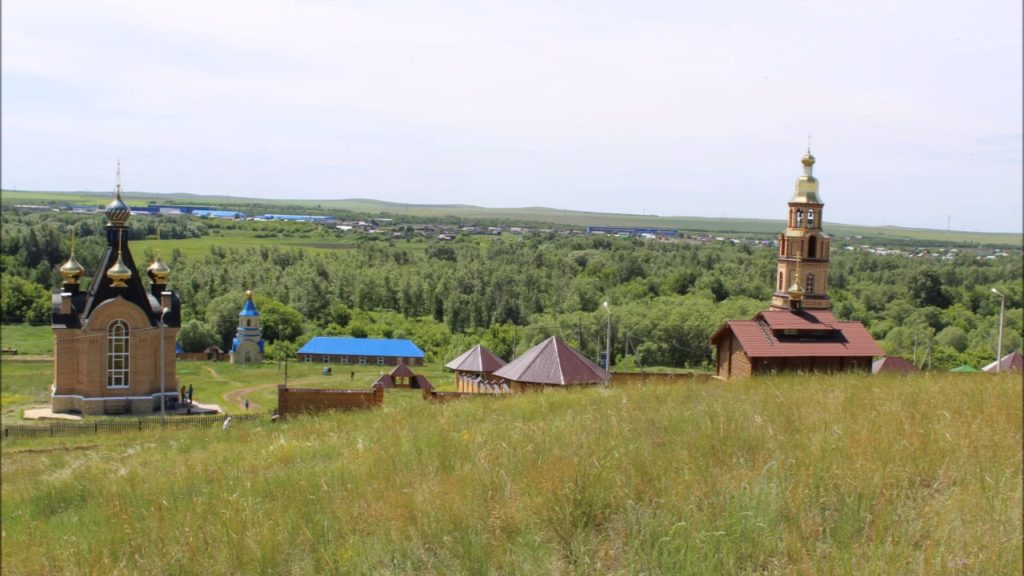
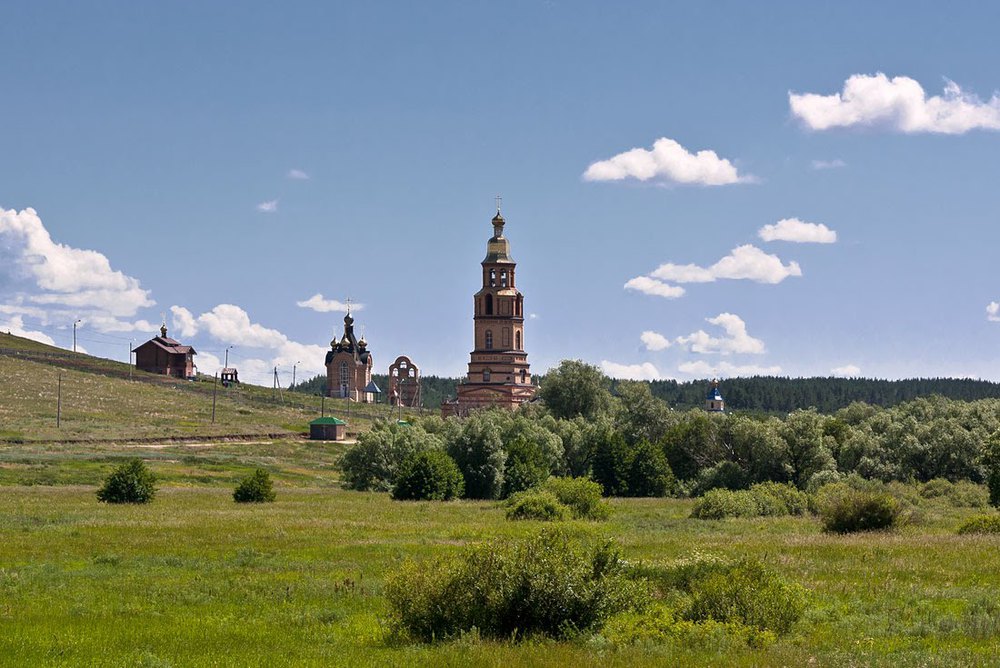
It was only since 1993 that the first attempts were made to discover the caves. In 2002, the entrance to the "Holy Caves" was discovered. The revival of the ancient monastery began. During the first decade of the new XXI century, the underground church of Saints Anthony and Theodosius of the Caves was rebuilt in the caves, the Church of the Nativity of John the Baptist was consecrated above the entrance to the caves, and a 45-meter bell tower with the church of St. Mary of Egypt was built above the entrance to the monastery. The Nikolsky spring with baths has been cleared and consecrated under the mountain. A cross of Worship has been erected on the site of the destroyed shrines. More and more pilgrims come to these blessed places every year. In May 2018, the official opening of the St. Nicholas Convent took place here.
Read completely